
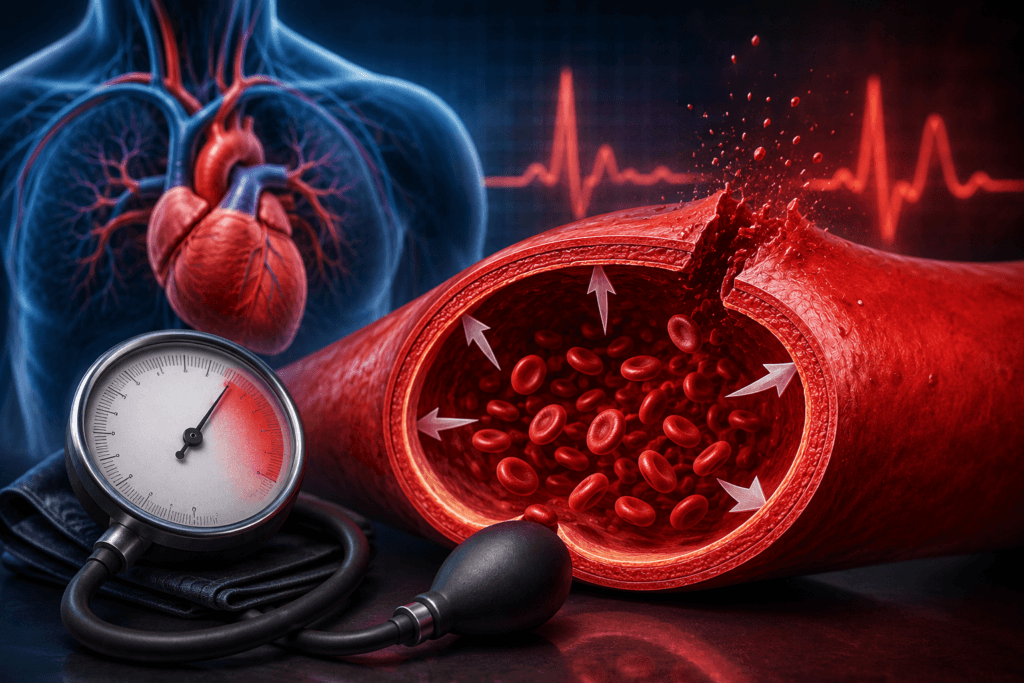
High blood pressure affects nearly half of adults worldwide and is one of the leading risk factors for heart attacks, strokes, heart failure, and kidney disease. What makes it especially dangerous is that it often develops silently, without noticeable symptoms.
While genetics, age, physical activity, stress, and diet all play important roles, one often-overlooked factor is nutrient status. Your body relies on specific vitamins, minerals, amino acids, and healthy fats to regulate blood pressure every second of the day. When these nutrients are lacking, the systems that control blood vessel function, fluid balance, and heart health can become impaired.
In this guide, we’ll explore the most important nutrients that support healthy blood pressure naturally, explain how they work, and show you the best food sources to include in your diet.
Table of Contents
Why Blood Pressure Matters
Every heartbeat pumps blood through a network of arteries that delivers oxygen and nutrients throughout your body. Healthy arteries are flexible and expand easily as blood flows through them.
When blood pressure remains consistently high, however, the force against the artery walls increases. Imagine turning the water pressure up in a garden hose designed for normal flow. Over time, that constant pressure weakens the hose. The same thing happens to your blood vessels.
Persistent high blood pressure damages arteries, forces the heart to work harder, and increases the risk of:
- Heart attack
- Stroke
- Heart failure
- Kidney disease
- Vision loss
- Cognitive decline
Fortunately, nutrition can influence many of the biological pathways involved in blood pressure regulation.
1. Taurine and L-Arginine: Relaxing Your Blood Vessels
One of the most effective ways to support healthy blood pressure is by helping blood vessels relax.
Taurine: The Heart’s Peacekeeper
Taurine is an amino acid naturally produced by the body and found in foods like seafood and meat. Although it’s often associated with energy drinks, taurine actually plays an important role in cardiovascular health.
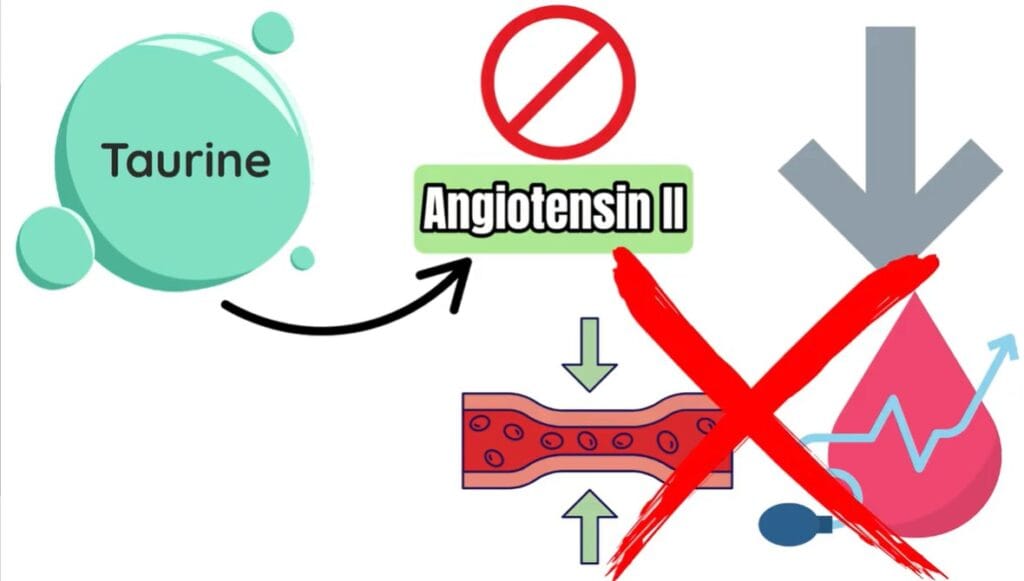
One of its primary functions is reducing the effects of angiotensin II, a hormone that causes blood vessels to constrict. When angiotensin II is overactive, blood pressure rises because arteries become narrower.
Taurine helps counter this process by promoting healthier blood vessel function and allowing arteries to remain more relaxed.
It also helps regulate calcium movement within the muscles that surround blood vessels. Since calcium triggers muscle contraction, balanced calcium signaling helps prevent excessive tightening of the arteries.
Several clinical studies have shown that taurine supplementation can reduce blood pressure, particularly in people with metabolic syndrome, obesity, or insulin resistance.
The Effect of Taurine Supplementation on Blood Pressure
L-Arginine: Fuel for Nitric Oxide
L-arginine is another amino acid with significant cardiovascular benefits.
Its main job is serving as the building block for nitric oxide, a molecule that signals blood vessels to relax.
Nitric oxide causes the smooth muscles lining arteries to widen, allowing blood to flow more easily while reducing strain on the heart.
People with endothelial dysfunction, where the inner lining of blood vessels doesn’t function properly, often produce less nitric oxide. Research suggests L-arginine supplementation may improve endothelial function and restore healthier blood vessel dilation in these individuals.
Together, taurine and L-arginine target two major contributors to high blood pressure:
- Reduced blood vessel constriction
- Improved circulation
Effect of oral L-arginine supplementation on blood pressure
2. Potassium, Magnesium, and Calcium: The Electrolyte Trio
Electrolytes do far more than support hydration. They also regulate blood vessel function, fluid balance, and muscle contractions, including the heart itself.
Potassium
Potassium is perhaps the single most important mineral for blood pressure regulation.
Its primary job is balancing sodium.
Excess sodium causes the body to retain water, increasing blood volume and raising pressure inside the arteries. Potassium helps the kidneys remove excess sodium through urine, reducing this burden.
Research has shown that increasing potassium intake can significantly reduce blood pressure, especially in people consuming high-sodium diets.
Excellent sources include:
- Avocados
- Spinach
- Swiss chard
- Sweet potatoes
- Bananas
- Beans
Effect of increased potassium intake on cardiovascular risk factors and disease
Magnesium
Magnesium helps blood vessels relax by regulating muscle contraction.
Low magnesium levels can contribute to increased vascular resistance, making it harder for blood to flow.
Magnesium also works alongside potassium to maintain healthy electrolyte balance.
Studies suggest magnesium supplementation can modestly lower both systolic and diastolic blood pressure, particularly in individuals who are deficient.
Foods rich in magnesium include:
- Almonds
- Pumpkin seeds
- Sunflower seeds
- Dark chocolate
- Leafy greens
Effects of Magnesium Supplementation on Blood Pressure
Calcium
Most people associate calcium with strong bones, but it also plays an essential role in cardiovascular health.
Blood vessels constantly contract and relax. Calcium helps coordinate this process, allowing arteries to respond appropriately to changing demands.
Unlike magnesium or potassium, calcium is generally best obtained through food rather than supplementation unless recommended by a healthcare provider.
Good dietary sources include:
- Yogurt
- Cheese
- Broccoli
- Sardines
- Salmon with bones
- Kale
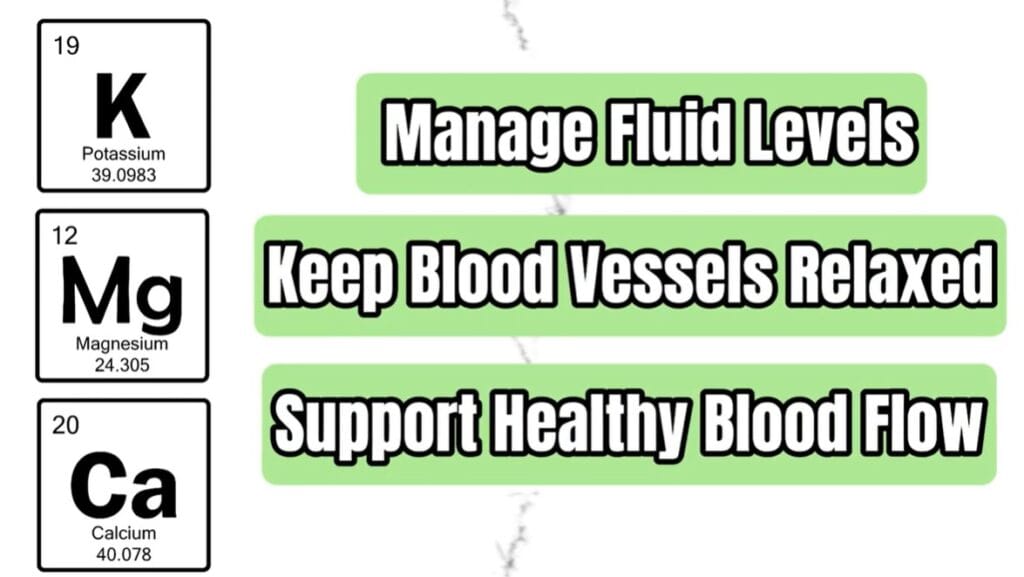
Together, potassium, magnesium, and calcium help regulate fluid balance, support healthy blood vessel function, and maintain normal circulation.
3. Omega-3 Fatty Acids and CoQ10: Protecting the Heart
High blood pressure isn’t only about narrowed arteries. Chronic inflammation and oxidative stress also damage blood vessels over time.
Omega-3 Fatty Acids
EPA and DHA, the primary omega-3 fats found in fatty fish, have been extensively studied for cardiovascular health.
They help:
- Reduce inflammation
- Improve endothelial function
- Lower triglycerides
- Increase arterial flexibility
Improved artery flexibility allows blood to move with less resistance, helping support healthy blood pressure.
Excellent sources include:
- Salmon
- Sardines
- Mackerel
- Herring
Plant sources like flaxseeds, chia seeds, and walnuts provide ALA, another form of omega-3 that the body can partially convert into EPA and DHA.
Coenzyme Q10 (CoQ10)
CoQ10 is a naturally occurring antioxidant found in nearly every cell.
Its primary role is helping cells produce energy, especially in organs with high energy demands like the heart.
CoQ10 also protects blood vessels against oxidative stress, which contributes to stiffening of the arteries.
Several clinical studies have reported improvements in blood pressure among people taking CoQ10 supplements, particularly those with existing cardiovascular conditions.
Together, omega-3s and CoQ10 help reduce inflammation, improve vascular health, and support efficient heart function.
4. Nitrates and Vitamin D: Supporting Healthy Blood Vessel Function
The health of the endothelium, the thin layer lining every blood vessel, is critical for maintaining normal blood pressure.
Dietary Nitrates
Natural nitrates found in vegetables are converted into nitric oxide after consumption.
As nitric oxide levels increase, blood vessels relax and circulation improves.
Research has shown that nitrate-rich foods, particularly beetroot juice, can produce meaningful reductions in systolic blood pressure.
Excellent nitrate-rich vegetables include:
- Beets
- Arugula
- Spinach
- Lettuce
- Celery
Vitamin D
Vitamin D influences far more than bone health.
It also helps regulate the renin-angiotensin system, one of the body’s primary mechanisms for controlling blood pressure.
Vitamin D deficiency has consistently been associated with an increased risk of hypertension.
People with low vitamin D levels may benefit from correcting their deficiency through:
- Safe sun exposure
- Vitamin D-rich foods
- Supplementation when appropriate
Maintaining adequate vitamin D levels supports healthier blood vessel function and overall cardiovascular health.
Bringing It All Together
Healthy blood pressure isn’t controlled by a single nutrient.
Instead, it depends on multiple systems working together:
- Taurine and L-arginine help relax blood vessels.
- Potassium balances sodium and supports healthy fluid regulation.
- Magnesium improves vascular relaxation.
- Calcium maintains normal blood vessel contraction.
- Omega-3s reduce inflammation and improve arterial flexibility.
- CoQ10 protects blood vessels and supports heart energy production.
- Dietary nitrates boost nitric oxide production.
- Vitamin D helps regulate hormonal pathways involved in blood pressure.
Rather than focusing on one supplement, building a diet rich in these nutrients can provide broad support for cardiovascular health.
Simple additions, such as eating more leafy greens, fatty fish, nuts, seeds, beets, and potassium-rich vegetables, can have a meaningful impact over time.
Final Thoughts
Managing blood pressure naturally isn’t about finding a single miracle nutrient. It’s about consistently nourishing the systems that regulate circulation, vascular health, and heart function.
Small, sustainable dietary changes can add up to significant long-term benefits. Whether you start by adding a serving of leafy greens, including more fatty fish each week, or increasing your intake of magnesium-rich foods, every positive choice supports a healthier cardiovascular system.
Your heart works tirelessly every day. Giving it the nutrients it needs is one of the simplest investments you can make in your long-term health.
Also read: Understanding Taurine
